
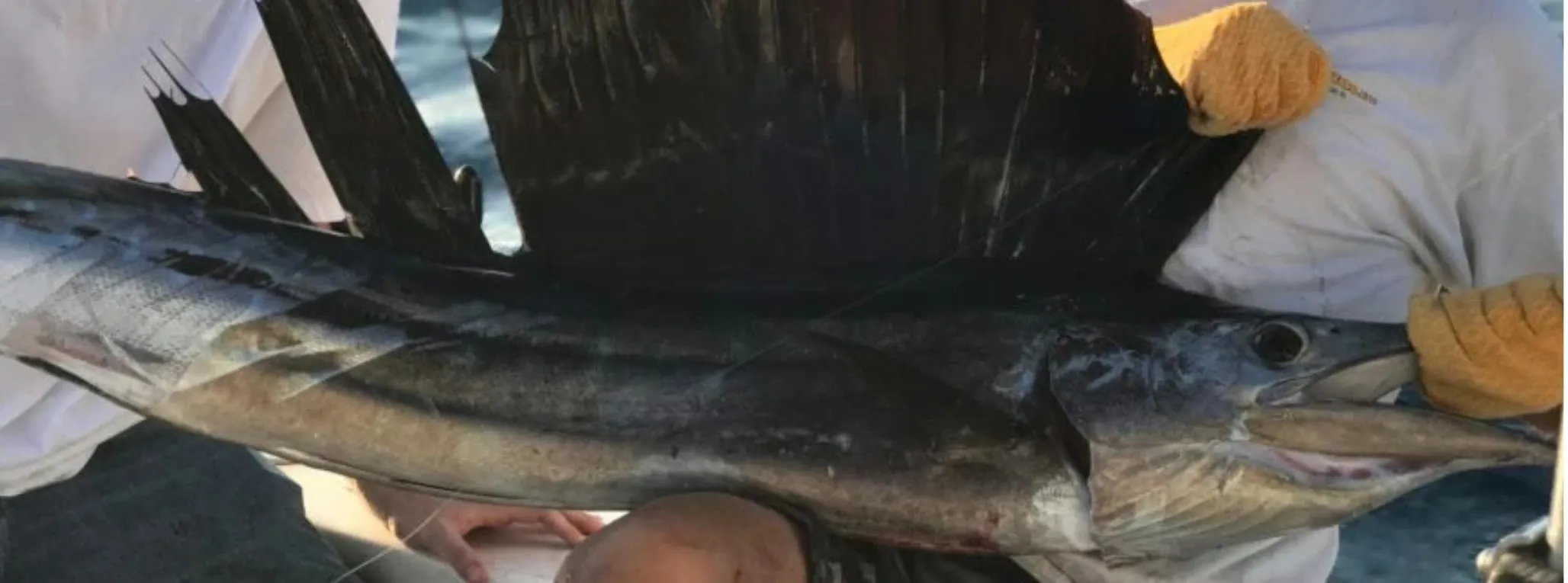
What happens on an Islamorada fishing charter?
You meet the boat at its slip, the mate rigs everything, and you fish the water you booked. What changes between trips is the water, not the routine. Flats poles and casts, reef anchors over structure, offshore trolls. Dock call, weather call, cleaning and tipping work much the same across all three.
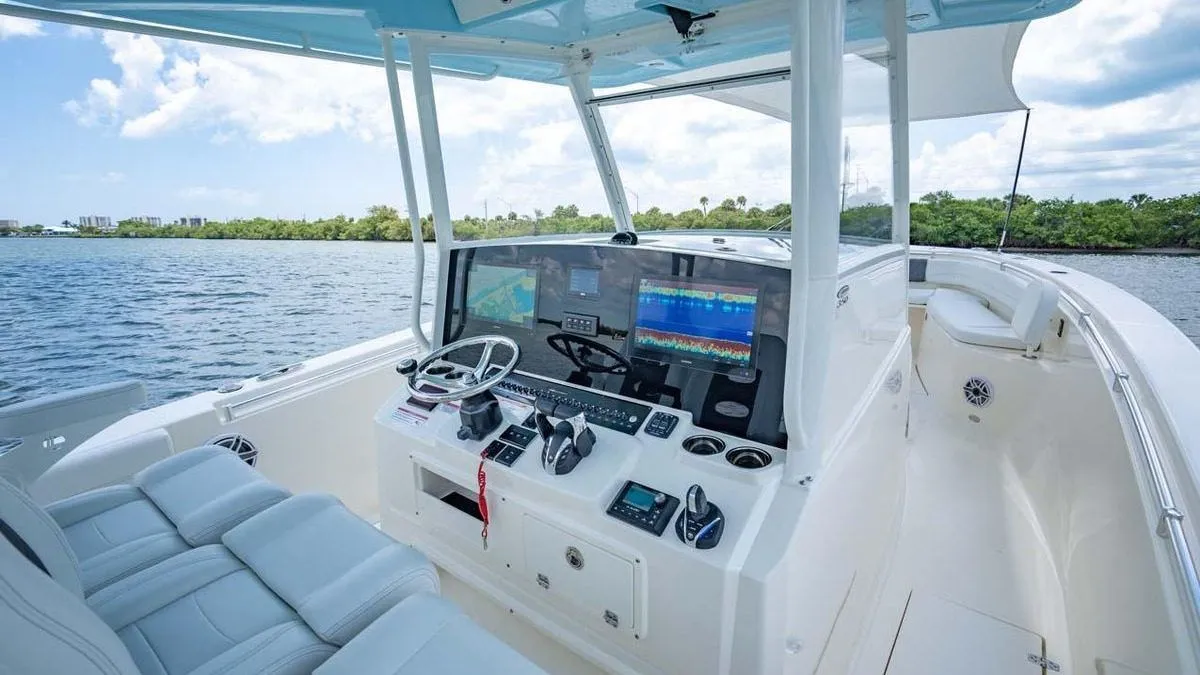
Why is there no single answer to this?
Because Islamorada sells three different days. A flats skiff running into Florida Bay and an offshore boat headed for the Gulf Stream share a town. They share little else.
What follows is the part that holds across all three. Where the trips genuinely diverge, it says so rather than picking one and calling it typical.
How the day runs
Seven stages. The middle one is the only one that changes much between fisheries.
-
Find the right dock, not the right name
The marinas here are spread along the Overseas Highway rather than gathered in one harbour, so there is no default place to turn up. Get the street address when you book and put that in your maps app. A business name will not always resolve to the slip.
-
Arrive before the call time
Each marina sets its own parking and some of it is tight. Boats leave on their own schedule and a late arrival is your problem, not theirs. Give yourself more margin than feels necessary the first time.
-
The captain decides whether you go
Weather calls belong to the captain and they are made on the morning, sometimes at the dock. Offshore gets cancelled in conditions that reef and flats trips will still fish, because it is the longest run in the most open water.
-
The mate rigs everything
Rods, reels, bait and terminal tackle come with the boat. You are not expected to bring gear and on most trips you are not expected to know what you are doing. Say if it is your first time — it changes how the mate sets you up.
-
You fish the water you booked
Flats means poling and casting at fish you can see. Reef means anchored or drifting over structure. Offshore means trolling with the outriggers out. If the day does not look like what you pictured, the booking was the decision, not the day.
-
Your catch is cleaned at the dock
On reef and offshore trips, the mate fillets what you keep when you tie up. Ask when you book whether that is included, because it is not always. On flats trips there is usually nothing to clean.
-
Tip the mate
Customary and not included in the charter rate. The mate does the work you can see all day — rigging, unhooking, cleaning — and is generally paid least. Bring cash; the card reader is not always aboard.
The dock is the thing people get wrong
There is no single charter dock here, and there is no cluster of them either. The marinas run along the Overseas Highway, and the distance from the last one to the first is about eight miles.
Several operators share a marina, so a company name in a maps app will not always land you at the right slip. Ask for the street address at the time of booking. Put that in your phone, not the business name.
What the boat provides and what it does not
Tackle is theirs. Rods, reels, bait and rigging come with every trip type. You are not expected to own any of it.
Sun protection, drinks and anything personal are yours. What to bring covers the detail, and the mistakes there are about sun and stomach rather than gear.
Questions about the day
How does an Islamorada charter day actually run?
You meet the boat at its slip, the mate rigs everything, and you fish the water you booked for the hours you paid for. What differs is the shape of that water. Flats trips pole and cast in shallows, reef trips anchor or drift over structure, offshore trips troll with the outriggers out. The rest — dock call, weather call, cleaning, tipping — is much the same across all three.
Where do Islamorada charters leave from?
From marinas spread along the Overseas Highway rather than from one harbour, which is the single most common cause of somebody being late. OpenStreetMap maps eight named marinas in the village, and the run from the southernmost to the northernmost is about eight miles — a real drive at six in the morning, not a walk along a strip. Which of them run charters is something this site has not established yet, so get the street address when you book and navigate to that rather than to the business name.
What happens if the weather is bad?
The captain makes the call and they make it on the morning. Offshore is cancelled first and most often, because it is the longest run in the most open water; reef and flats trips will fish conditions that offshore will not. Ask about the cancellation policy when you book rather than at the dock, because policies vary between operators on the same dock.
Do I need to bring any gear?
No. Rods, reels, bait and terminal tackle come with the boat on every trip type. What you bring is sun protection, something to drink, and anything you personally need. See what to bring for the specifics — the mistakes here are about sun and stomach, not tackle.
Who cleans the fish?
The mate, at the dock, on reef and offshore trips. Whether it is included in the rate varies, so ask when you book. On flats trips the question rarely arises, because the headline species there are catch and release.
Should I tip the crew?
Yes, and it is customary rather than optional in practice. It is not included in the charter rate. Bring cash, because a card reader is not always aboard. This site publishes no percentage, because it has no source for one and a made-up number would be worse than none.
Next step
Looking for fishing trips in Islamorada?
Islamorada Charters Fishing is an independent guide — no boats, no bookings, nothing to sell. It exists so you can ask better questions before you hand an operator a deposit.
Islamorada Charters Fishing takes no bookings and earns nothing from a click. You book with the operator directly.